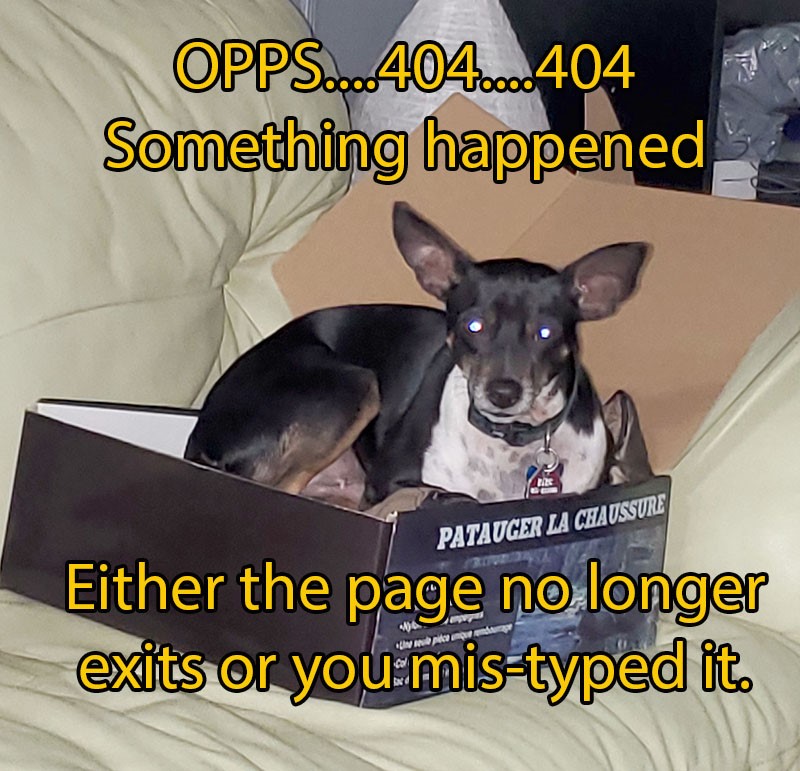
Ratties are like Potato Chips - once you have one, you want another!
Height: 8 – 23 inches, ranges from toy size Ratties to Decker Giant Ratties
Weight: 8 – 35 lbs, ranges from toy size Ratties to Decker Giant Ratties
Colors: Black/White and tan tricolor, apricot, sable & tan, black and tan
Coat: Smooth & short. Protection from elements is needed in winter, they do not like the cold! Most Ratties 'melt' in the rain and won't go out in bad weather, they need jackets and boots for winter and an area sheltered from rain and snow for a winter potty area.
Temperament: Quite active, easily trained, sociable, loving & loyal. Playful with family. Ratties tend to closely bond to their family and like to be with their people at all times. Ratties are a very affectionate breed and prefer to sit on or with you and cuddle at any opportunity. Many Rattie owners report that since getting a Rattie, they have never been to the washroom alone again! Protective of their home and family. Good watchdogs, will bark to alert of approaching people, animals and vehicles.
With Children: Yes, very protective & loving of children it lives with, a Rattie's playful, affectionate and inquisitive nature make them good family dogs. Children and Ratties should be taught how to interact with each other and supervised at all times, not a tolerant breed of rough or inappropriate handling and particularly small Ratties can easily be hurt. As typical terriers, Ratties are not a breed well suited to very young children or toddlers, an exception may be experienced terrier households.
Pets: Yes, except small animals in most cases, some Ratties have more prey drive than others, some may not be able to be around cats, small animals or birds, and some may be just fine. As Ratties were a breed developed to kill small animals, for the most part if your family includes birds, or other small animals, a Rat Terrier may not be for you.
Care & Training: Need little grooming, easily trained with positive reinforcement. Very sensitive & alert to sounds.
Learning Rate: High, fast learning rate, highly intelligent.
Living Environment: Must be kept inside with their family only. Needs at least 45-60 min vigorous and interactive exercise per day. Taking your Rattie out to play fetch in a yard, walks, runs, trips to parks or other outings is preferable. A Rattie will not tire himself out simply let out in a yard to play, they will wait at the door for their people to come out and play with them. A tired Rattie is a good Rattie! If left to become bored, Ratties will find their own entertainment, likely something you prefer they do not find time for, such as barking, digging, chewing things. Ratties are not typically good apartment dogs, though small Ratties may be suited to an apartment if issues like enough exercise, possible barking, and suitable pottying area can be handled.
Health Issues: No Major health issues.
Life Expectancy :15-18 years
Country of Origin: Originated in England, but developed in the United States.

One Puppy Left for Adoption! ABANDONED RAT TERRIER PUPPIES